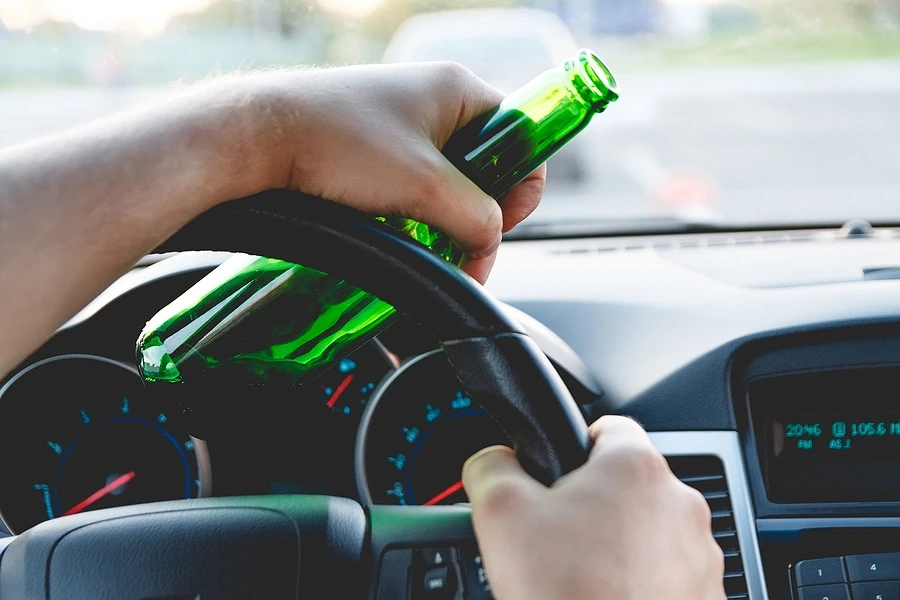
Understanding the Legal Process for Injuries Caused by Drunk Drivers
Accidents caused by drunk drivers can have devastating consequences. Victims may face serious injuries, long-term medical care, lost wages, and emotional trauma. Beyond the immediate impact, navigating the legal system after such an accident can feel overwhelming. Knowing the process can help victims protect their rights and pursue fair compensation.
Seek Medical Attention Immediately
The first step after a drunk driving accident is seeking medical attention. Even if injuries seem minor, it is important to get examined by a healthcare professional. Some injuries, such as internal bleeding or concussions, may not be immediately apparent. Medical records play a critical role in establishing the severity of injuries in a personal injury case.
Involve Law Enforcement
Once immediate medical needs are addressed, law enforcement should be involved. In Nevada, officers investigate accidents and document key details. If the driver is suspected of driving under the influence, they may be subject to field sobriety tests, breath tests, or blood tests. The police report is an essential piece of evidence for both criminal and civil cases.
Pursue a Personal Injury Claim
Victims of drunk driving accidents have the right to pursue compensation through a personal injury claim. In Nevada, this typically involves filing a claim against the at-fault driver. The claim seeks to recover damages for medical expenses, lost income, pain and suffering, and property damage. In some cases, claims may also involve punitive damages if the driver’s behavior was particularly reckless.
Dealing with Insurance Companies
Insurance companies are usually involved early in the process. The at-fault driver’s insurance policy is often the primary source for compensation. However, insurance adjusters aim to limit payouts. Victims should approach interactions with insurers carefully and consider consulting a personal injury lawyer before providing statements or accepting settlement offers.
Collecting Evidence
Gathering evidence is crucial to building a strong case. This can include photographs of the accident scene, medical records, witness statements, and surveillance footage if available. In drunk driving cases, evidence of the driver’s intoxication, such as police reports or breathalyzer results, strengthens the claim. Legal representation can help ensure all relevant evidence is collected and preserved.
Understanding Comparative Negligence
Nevada follows a comparative negligence system. This means if the victim is found partially at fault for the accident, their compensation may be reduced proportionally. For example, if a victim is found 20% responsible, their damages award could be reduced by that percentage. Understanding how comparative negligence applies is important for evaluating potential outcomes.
Accounting for Long-Term Injuries
Injuries from drunk driving accidents can lead to both short-term and long-term consequences. Victims may require ongoing medical treatment, physical therapy, or counseling. Personal injury claims should account for both current and future needs. A lawyer can help estimate these costs and present a comprehensive claim to insurers or the court.
Navigating Settlements
Settlement negotiations are a common part of personal injury cases. Insurance companies may offer a settlement to avoid a trial. Accepting a settlement may provide quicker compensation, but it may also be lower than what the victim deserves. Legal counsel can review offers, negotiate on the victim’s behalf, and determine whether pursuing litigation is the better option.
Going to Court
If a fair settlement cannot be reached, the case may proceed to court. Personal injury lawsuits involve filing a complaint, discovery, depositions, and ultimately a trial. During discovery, both sides exchange information and evidence. Depositions allow witnesses and parties to give sworn testimony. Court trials give a judge or jury the chance to determine liability and damages.
Criminal Proceedings
Drunk driving accidents can also involve criminal proceedings. The at-fault driver may face DUI charges, fines, license suspension, or even jail time. While criminal cases and personal injury claims are separate, the outcome of a criminal case can influence civil claims. Convictions or police evidence can support the victim’s case for compensation.
Act Quickly to Meet Deadlines
Timing is an important consideration. Nevada law imposes a statute of limitations for personal injury claims. Victims generally have two years from the date of the accident to file a lawsuit. Failing to act within this timeframe can result in losing the right to pursue compensation. Starting the legal process promptly helps preserve evidence and strengthens the case.
Benefits of Legal Representation
Working with a skilled personal injury lawyer provides multiple advantages. A lawyer can handle communication with insurers, gather evidence, evaluate damages, and represent the victim in court if necessary. They also help victims understand their legal rights, avoid common mistakes, and make informed decisions throughout the process.
Emotional Support and Recovery
Emotional support is also essential. Drunk driving accidents often leave victims dealing with anxiety, stress, and trauma. Support from family, friends, or counseling services can be an important part of recovery. Legal guidance paired with emotional support can help victims regain a sense of control and stability.
Conclusion
Recovering from a drunk driving accident involves many steps. Seeking medical care, documenting injuries, preserving evidence, filing insurance claims, and pursuing legal action are all part of the process. Understanding each stage and working with professionals increases the likelihood of receiving fair compensation.
Drunk driving accidents are preventable, yet they continue to cause serious harm. Victims have legal avenues to hold negligent drivers accountable. By understanding the legal process and taking action promptly, those affected can protect their rights and secure compensation for the physical, financial, and emotional toll these accidents can impose.