Understanding the Legal Implications of Sports-Related Injuries
Sports and recreational activities offer many benefits, including physical fitness, teamwork skills, and personal enjoyment. However, participation in these activities comes with inherent risks. Injuries can range from minor bruises and sprains to severe trauma, including broken bones, concussions, or permanent disabilities. While some injuries are simply accidents, others may occur due to negligence or unsafe conditions. Understanding the legal implications of sports-related injuries is essential for anyone who participates in, organizes, or supervises athletic activities in Nevada.
Common Types of Sports-Related Injuries
Injuries in sports can occur in almost any setting, from school gyms and local parks to professional arenas. Some of the most common sports-related injuries include:
- Sprains and strains: Overstretching or tearing ligaments and muscles is common in high-intensity activities such as basketball, football, and soccer.
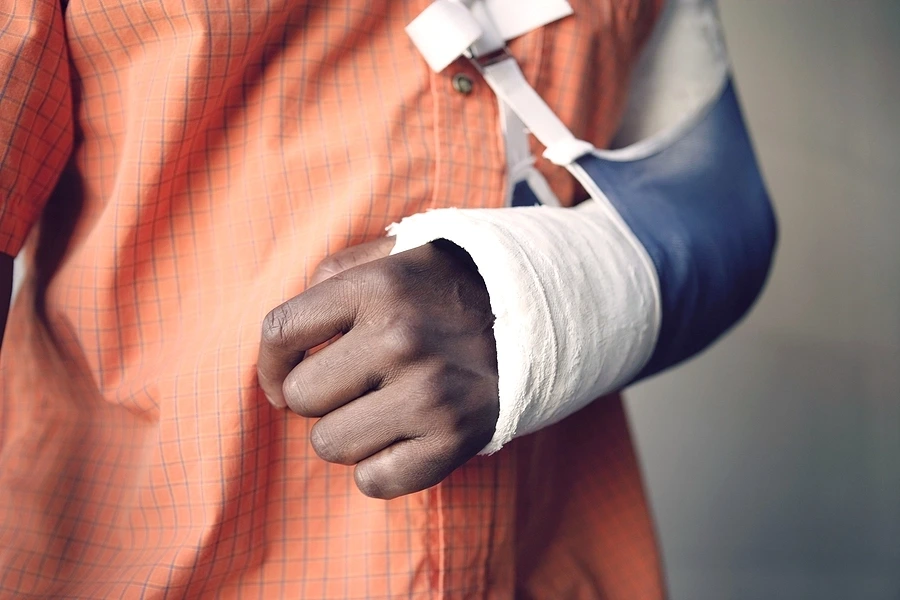
- Fractures: Broken bones often result from falls, collisions, or improper use of equipment.
- Concussions: Head injuries can occur in contact sports like football, hockey, or boxing, and may have long-term effects if not properly treated.
- Soft tissue injuries: Tears in muscles, tendons, or ligaments are frequent in sports that require sudden movements or repetitive stress.
- Overuse injuries: Continuous stress on joints and muscles can lead to chronic conditions, such as tendinitis or stress fractures.
While some injuries are unavoidable, others may result from negligence, unsafe facilities, or defective equipment. Determining the cause of an injury is often the first step in assessing potential legal claims.
Legal Considerations in Sports Injuries
Sports injuries can fall under various areas of law, including personal injury, premises liability, and product liability. The circumstances surrounding the injury determine which legal principles apply.
Negligence Claims
Negligence occurs when someone fails to exercise reasonable care, resulting in harm to another person. In sports settings, negligence can take multiple forms:
- Coaching errors: If a coach disregards safety protocols, encourages dangerous behavior, or fails to provide adequate supervision, they may be liable.
- Facility hazards: Poorly maintained fields, courts, or equipment can create unsafe conditions. Facility owners or operators may be responsible for injuries caused by these hazards.
- Event organizers: Tournament or league organizers have a duty to ensure that events are safe. Failure to do so could lead to legal claims.
In Nevada, proving negligence requires showing that the responsible party had a duty of care, breached that duty, and caused the injury as a direct result of the breach. Evidence such as witness statements, maintenance records, and medical reports can be crucial in establishing liability.
Assumption of Risk
Assumption of risk is a common defense in sports injury cases. By voluntarily participating in a sport, individuals may be considered to have accepted certain inherent risks. For example, a football player may assume the risk of minor injuries such as bruises or sprains.
However, assumption of risk does not protect parties from liability in cases of gross negligence or intentional misconduct. If a facility fails to maintain safe conditions or equipment is defectively manufactured, injured participants may still have grounds for a legal claim.
Waivers and Releases
Many sports organizations require participants to sign waivers or releases of liability before joining. These documents aim to limit the organization’s legal responsibility for injuries. While waivers can affect claims, they are not absolute. Nevada courts often examine whether the waiver was clear, voluntary, and specific about the risks covered. Waivers may not protect against reckless or intentional actions that cause injury.
Product Liability
Sports equipment, protective gear, and other recreational products can sometimes fail, leading to injury. In such cases, product liability law may apply. Manufacturers, distributors, or retailers can be held accountable if the injury resulted from a defect in design, manufacturing, or inadequate instructions or warnings.
Steps to Take After a Sports-Related Injury
If you or someone you know suffers a sports injury, taking immediate and careful action can protect your health and legal rights.
- Seek medical attention: Prompt evaluation ensures that injuries are properly documented and treated. Medical records also serve as critical evidence in potential legal claims.
- Report the incident: Notify the coach, facility manager, or event organizer as soon as possible. Create a written record of the incident while details are fresh.
- Preserve evidence: Photographs of the injury, equipment, or playing surface can support a claim. Witness statements and video recordings may also be valuable.
- Avoid admitting fault: Refrain from making statements that suggest the injury was your own fault. Leave the assessment of liability to legal professionals.
- Consult a personal injury attorney: An experienced lawyer can evaluate your case, advise on applicable laws, and help pursue compensation if negligence or misconduct is involved.
Potential Compensation in Sports Injury Cases
In Nevada, injured parties may be entitled to recover compensation for various losses, including:
- Medical expenses: Hospital bills, therapy costs, and ongoing treatment expenses.
- Lost wages: Compensation for time missed from work due to injury or recovery.
- Pain and suffering: Damages for physical discomfort, emotional distress, and reduced quality of life.
- Future costs: Long-term medical care, rehabilitation, or permanent disability adjustments.
Each case is unique, and the amount of compensation depends on the severity of the injury, the circumstances, and the responsible parties’ degree of liability.
Preventing Sports Injuries
While legal recourse is important, preventing injuries is always preferable. Participants, coaches, and facility operators can take steps to minimize risk:
- Use properly maintained and safe equipment.
- Follow rules and regulations designed to reduce injury.
- Warm up and stretch before activity.
- Encourage proper technique and enforce safety protocols.
- Provide training on concussion awareness and other serious injury risks.
Education and proactive safety measures can prevent many injuries and reduce the likelihood of legal disputes.
Understanding Your Rights
Sports and recreational activities are valuable for health and community, but injuries can have serious consequences. Understanding the legal implications helps participants protect themselves and hold negligent parties accountable. In Nevada, injured individuals have rights under personal injury law, premises liability law, and product liability law. Knowing when to seek legal guidance and how to document incidents can make a significant difference in the outcome of a claim.
If you or a loved one suffers a sports-related injury, consulting an experienced personal injury attorney can provide clarity on your options. With professional guidance, you can navigate the complexities of the legal system while focusing on recovery and returning safely to the activities you enjoy.