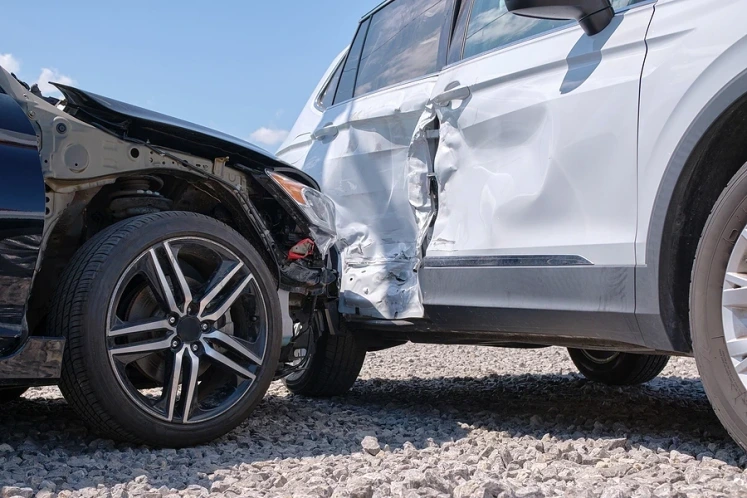
Understanding Liability in Parking Lot Accidents
Parking lots are often overlooked when thinking about traffic accidents. Many people assume that accidents only happen on busy streets or highways. However, parking lot accidents are surprisingly common and can lead to serious injuries. Determining who is responsible in these cases can be complicated, which makes understanding liability essential for anyone involved.
Why Parking Lot Accidents Happen
Parking lots are unique traffic environments. They combine pedestrian traffic, parked vehicles, moving cars, and sometimes poorly designed lanes or signage. Drivers may be distracted, rushing, or unfamiliar with the layout. Pedestrians may be walking between rows of cars or crossing lanes without marked crosswalks. These conditions increase the risk of collisions.
Some common causes of parking lot accidents include:
- Failure to yield: Drivers may not yield to pedestrians or other vehicles when exiting a space or navigating intersections.
- Backing accidents: Many accidents occur when drivers back out of parking spaces without checking their surroundings.
- Speeding or reckless driving: Even low-speed collisions can cause injuries or damage when vehicles hit pedestrians or other cars.
- Poor visibility: Blind spots, parked vehicles, or inadequate lighting can prevent drivers from seeing hazards.
- Improper maintenance: Potholes, faded lines, or uneven pavement can contribute to accidents.
Understanding the causes is important, but determining liability requires more than identifying what went wrong.
Who Can Be Held Liable
Liability in parking lot accidents depends on several factors. Generally, the driver who caused the collision is responsible. However, the situation can become complex when multiple parties are involved.
Driver Liability
If a driver is careless or violates traffic laws within the parking lot, they can be held liable. Examples include:
- Failing to stop at a clearly marked stop sign
- Not yielding to pedestrians
- Backing into another vehicle
- Speeding or aggressive driving
Even in a low-speed crash, the at-fault driver may be responsible for injuries and property damage.
Property Owner Liability
Sometimes the owner or operator of the parking lot may share responsibility. For instance, a business owner could be liable if:
- There are hazards like potholes, loose gravel, or debris that contributed to the accident
- Lighting is inadequate, making it difficult for drivers or pedestrians to see
- Traffic flow is poorly designed, leading to confusion and collisions
This type of liability is often referred to as premises liability. Proving it requires evidence showing that the property owner knew or should have known about the dangerous condition and failed to address it.
Shared Liability Situations
In some accidents, both the driver and the property owner may be partially at fault. For example, a driver might be speeding while the parking lot has faded markings or poorly maintained surfaces. Nevada follows comparative negligence rules, meaning compensation can be reduced if the injured party shares some responsibility for the accident.
Pedestrian Considerations
Pedestrians can also be involved in parking lot accidents, either as victims or, in rare cases, as contributors to the incident. Pedestrians have the right of way in marked crosswalks, but they must also exercise reasonable care. A pedestrian who suddenly steps into traffic without warning may share liability.
Collecting Evidence After a Parking Lot Accident
Determining liability often comes down to evidence. Anyone involved in a parking lot accident should take steps to document the scene. This includes:
- Taking photos: Capture vehicle damage, skid marks, and any hazards in the lot.
- Recording witness statements: Bystanders or other drivers may provide crucial information about how the accident occurred.
- Reporting the accident: Notify local authorities if injuries occur or significant damage exists. Ask for a copy of any police report.
- Preserving receipts and records: Medical bills, repair estimates, and insurance correspondence are essential for filing a claim.
Prompt and thorough documentation strengthens a personal injury case.
Insurance Implications
Most parking lot accidents are handled through insurance claims. Drivers typically report the accident to their auto insurance company, which investigates liability. In cases where the property owner is partially responsible, their liability insurance may also come into play.
It is important to notify your insurance company promptly. Avoid admitting fault at the scene, as even a minor statement can affect the outcome of a claim. An experienced personal injury attorney can help navigate these discussions to protect your rights.
When Legal Assistance Is Needed
Some parking lot accidents are straightforward, but others involve complex liability issues. Legal assistance may be necessary if:
- You or someone else suffered serious injuries
- Property damage is extensive
- Liability is disputed
- Insurance companies are delaying or denying your claim
A personal injury lawyer can investigate the accident, gather evidence, and advocate for fair compensation. They also understand Nevada laws, including comparative negligence rules and statutory limits, which can influence the claim.
Compensation Possibilities
If you are injured in a parking lot accident, you may be entitled to compensation for:
- Medical expenses, including treatment, rehabilitation, and ongoing care
- Lost wages due to missed work
- Property damage, such as repair or replacement of your vehicle
- Pain and suffering or emotional distress
The exact amount depends on the severity of injuries, liability determination, and insurance coverage.
Preventing Parking Lot Accidents
While not all accidents can be avoided, drivers and pedestrians can reduce risk by:
- Driving slowly and cautiously
- Using mirrors and checking blind spots when backing out
- Staying alert for pedestrians and other vehicles
- Following posted signs and markings
- Choosing well-lit parking spaces
Property owners can also minimize accidents by maintaining the lot, clearly marking lanes and crosswalks, and ensuring adequate lighting.
Conclusion
Parking lot accidents may seem minor, but they can result in serious injuries and costly property damage. Understanding liability in these situations is crucial for anyone involved. Drivers, pedestrians, and property owners all have responsibilities that influence who is held accountable. Prompt documentation, careful communication with insurance, and legal guidance can protect your rights and help ensure fair compensation.
If you or a loved one has been injured in a parking lot accident in Nevada, consulting a personal injury lawyer is an important step. An experienced attorney can help navigate the complexities of liability and ensure your case is handled correctly.