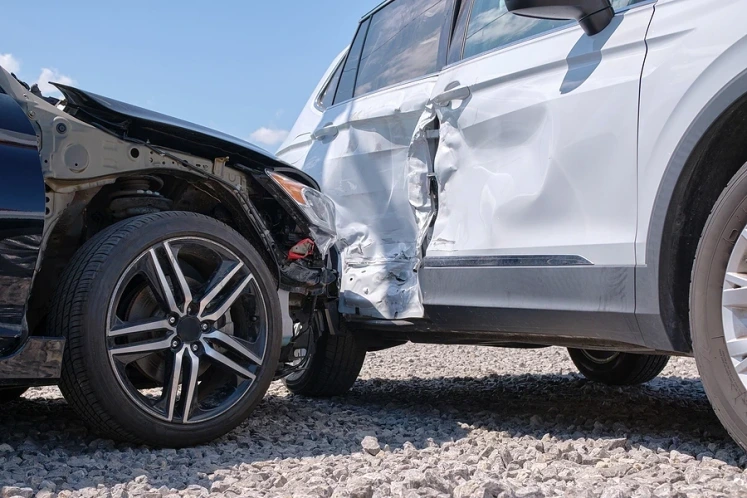
The Impact of Seat Belt Usage on Car Accident Claims
When a crash happens, the focus quickly turns to injuries, fault, and what comes next. Many people overlook how one simple action can shape the entire direction of a personal injury claim. Seat belt use is more than a safety habit. In Nevada, it can affect how much compensation a person may be able to receive after a collision. Understanding how these rules work helps injured individuals make informed decisions and avoid surprises during the claims process.
This topic often gets tricky. People assume that because the other driver caused the crash, nothing else matters. Nevada law sees things differently. Even if the other driver is fully responsible for the collision, an injured person can still see their compensation reduced if they were not wearing a seat belt. This is why taking time to understand how the state handles seat belt laws and personal injury claims is valuable for anyone on the road.
Why Seat Belts Matter in Nevada Injury Claims
Seat belts save lives and reduce the severity of injuries. This is well known, and the data supports it. For that reason, Nevada requires drivers and passengers to buckle up. While the primary purpose is safety, the legal system also uses seat belt compliance as a factor in determining financial responsibility after a crash.
When a person is injured and tries to recover damages, the insurance company looks at every detail that could reduce the payout. Seat belt usage becomes one of those details. If someone was not wearing one, the insurer may argue that their injuries were worse because of that choice. Nevada law allows this argument in many situations, making it a key issue in personal injury cases.
How Comparative Negligence Affects Compensation
Nevada follows a modified comparative negligence rule. This means an injured person can still recover compensation if they are less than 51 percent at fault for the accident. However, their compensation is reduced by whatever percentage of responsibility they hold.
This rule becomes important when seat belt usage comes up. Even if the injured person did not cause the crash, failing to wear a seat belt can be framed as contributing to the severity of their injuries. For example, if the insurance company claims that not wearing a seat belt made injuries 20 percent worse, the compensation awarded could be reduced by that same percentage.
This does not mean an injured person automatically loses part of their claim. It simply means the insurance company will try to use the issue to its advantage. Strong evidence and knowledgeable legal representation are often needed to challenge these arguments.
How Insurance Companies Use Seat Belt Evidence
Insurance companies pay close attention to crash reports, medical records, and witness statements. If they discover that a seat belt was not used, they may treat the case differently from the start. Some insurers attempt to shift blame immediately, even when liability for the crash is clear.
Common strategies include:
- Claiming the injured person would not have been hurt if they had buckled up
- Arguing that certain injuries only occurred because of seat belt non-use
- Suggesting the injured person is partially responsible for their medical bills
These tactics can frustrate people who already feel overwhelmed. It can also push claimants into settling for less than they deserve. Understanding how these arguments work can help someone prepare for what an insurer may try during the claims process.
The Seat Belt Defense and Its Limitations
Nevada allows the seat belt defense in many injury claims. This defense gives the at-fault driver the chance to argue that the injured person contributed to their own harm by not wearing a seat belt. However, the defense is not unlimited.
There must be evidence showing the injuries were directly worsened by the lack of seat belt use. If the injuries would have been the same regardless of seat belt use, the defense may not hold up. Additionally, the defense must be supported by solid proof, and not just speculation. This is where expert testimony can play a major role.
It is also worth noting that seat belt non-use cannot be used to prove fault for the crash itself. It can only apply to injury severity, not to who caused the collision. This distinction protects drivers and passengers from being blamed for a crash they did not cause.
How Seat Belt Use Helps Strengthen a Claim
Wearing a seat belt does more than reduce injury risk. It simplifies the legal process. When someone is properly restrained, it becomes harder for the insurance company to argue that the injuries were preventable. This can speed up negotiations and improve the overall strength of the case.
Seat belt usage can:
- Support the credibility of the injured person
- Reduce disputes over medical damages
- Limit the insurer’s ability to argue comparative negligence
- Lead to a smoother claims process
When a person takes appropriate safety measures, it removes one more potential obstacle in the pursuit of fair compensation.
What Happens When a Child Is Not Properly Restrained
Cases involving children raise additional concerns. Nevada has strict child passenger safety laws, and failing to secure a child properly can complicate a claim even further. Insurance companies may try to argue that the child’s injuries were caused by the lack of a proper car seat or booster seat.
Parents and guardians in these situations often carry a heavier emotional burden. They may fear that a momentary oversight will harm their child’s ability to recover compensation. Fortunately, the law still focuses on the actual cause of the crash and the true impact of restraint misuse. As with adult cases, evidence and expert insight become essential tools when insurance companies push back.
Proving Injuries Were Not Caused by Seat Belt Non-Use
One of the most important steps in a seat belt-related claim is establishing the true source of the injuries. This may involve medical evaluations, accident reconstruction, or expert testimony. The goal is to show how the crash caused the injuries, regardless of restraint use.
Medical experts can explain how certain injuries occur, even when a seat belt is worn correctly. Accident reconstruction specialists can demonstrate how the forces of the crash affected the occupants. These insights help counter attempts to blame the injured person for the harm they suffered.
Why Legal Support Is Valuable in These Claims
Seat belt issues add a layer of complexity that many people do not expect. Lawyers familiar with Nevada’s personal injury laws can anticipate the arguments insurers often raise. They understand how to use evidence, expert opinions, and legal strategy to push back against the seat belt defense.
Legal assistance can help:
- Identify weaknesses in the insurance company’s arguments
- Gather proof that supports the injured person’s case
- Negotiate for fair compensation
- Prevent unfair blame from affecting the outcome
This guidance can be especially important when injuries are severe or long-term.
Protecting Your Rights After a Crash
Seat belt use is a simple act, but it can carry major legal consequences. Whether someone was wearing one or not, they still have rights after a Nevada car accident. The process may be more complicated without a seat belt, but compensation can still be available.
Understanding how the law works allows injured people to better prepare for the claims process. It also helps them recognize when an insurance company is using seat belt arguments to avoid responsibility. With the right approach, it is possible to pursue a fair outcome, even when seat belt usage becomes a point of dispute.